
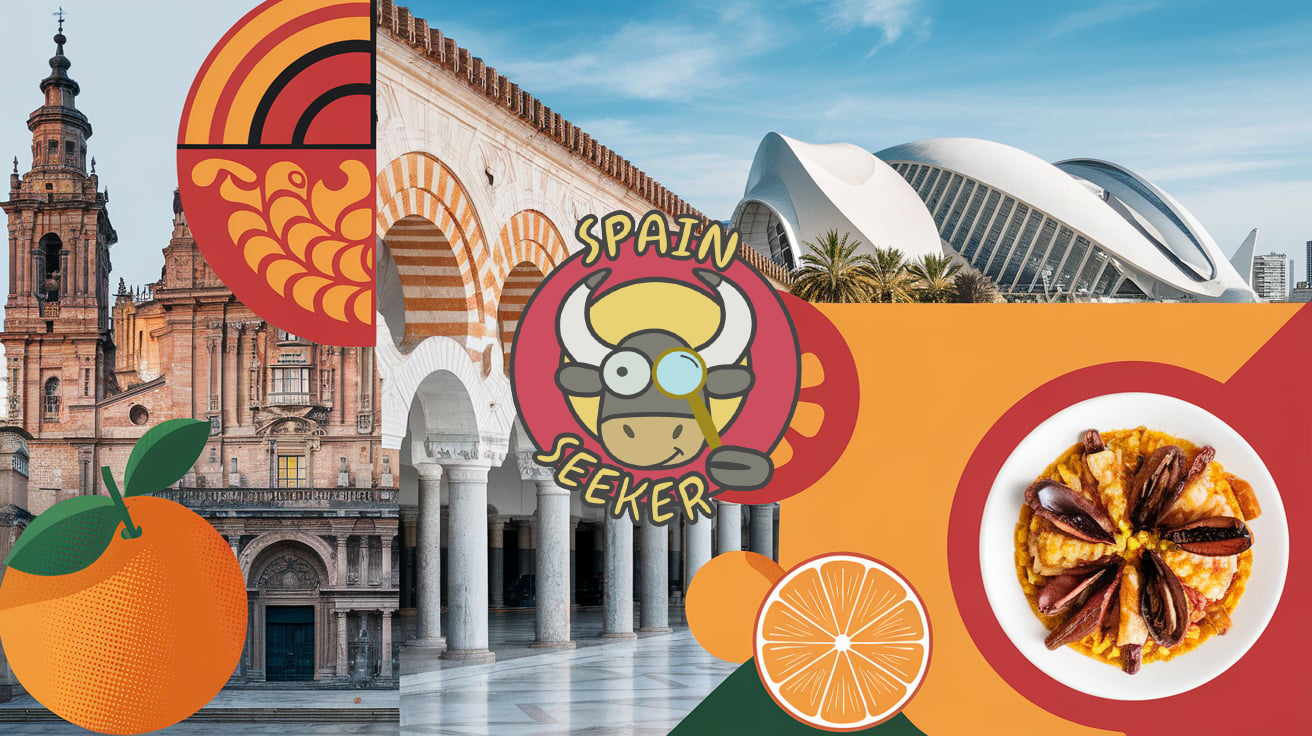
Introduction to Spain's Scenic Road Trips
Spain is a country that boasts a remarkable tapestry of landscapes, cultures, and experiences waiting to be uncovered. From the sun-kissed beaches of the Mediterranean to the rugged mountains of the Pyrenees, the diverse scenery invites travelers to embark on unforgettable road trips. Whether you're a history buff, a foodie, or simply an adventurer at heart, exploring Spain by car offers the freedom to discover hidden gems at your own pace.
The Allure of the Open Road
There’s something inherently romantic about a road trip. The thrill of the open road, the wind in your hair, and the promise of new discoveries around every bend create an irresistible allure. In Spain, the roads are often as captivating as the destinations themselves. Winding coastal routes offer breathtaking views of the Mediterranean, while mountain passes reveal dramatic landscapes and charming villages perched on hillsides.
Discovering Hidden Gems
One of the greatest advantages of a road trip in Spain is the opportunity to explore off-the-beaten-path locations that are often overlooked by tourists. Picture this: you’re driving through the enchanting countryside of Andalusia, and you stumble upon a quaint white village, its narrow streets lined with blooming bougainvillea. Here, you can sip on a glass of local wine, sample traditional tapas, and engage with friendly locals who are eager to share their culture.
Diverse Landscapes Await
Spain is a land of contrasts, and its diverse landscapes reflect this rich variety. Here are just a few of the stunning regions you can explore:
- The Costa Brava: With its rugged cliffs, hidden coves, and charming fishing villages, this coastal region is a paradise for sun-seekers and nature lovers alike.
- The Pyrenees: This mountain range offers breathtaking views, hiking trails, and a chance to experience the unique culture of the Basque people.
- The Meseta: The vast plateau of central Spain is dotted with historic towns and castles, perfect for those who appreciate history and architecture.
- The Canary Islands: A bit different from mainland Spain, these islands offer volcanic landscapes, lush forests, and stunning beaches, ideal for an adventurous detour.
Freedom to Explore
One of the greatest joys of traveling by car is the freedom it provides. Unlike guided tours that adhere to strict schedules, a road trip allows you to set your own pace. Want to linger a little longer at a picturesque viewpoint? Go ahead! Interested in taking a spontaneous detour to a local festival or market? The choice is yours. This sense of freedom transforms your journey into a personalized adventure, enabling you to create unforgettable memories along the way.
Planning Your Road Trip
While spontaneity is part of the thrill, a little planning can go a long way in enhancing your road trip experience. Consider the following tips:
- Research Your Route: Familiarize yourself with the main attractions, but leave room for unexpected discoveries.
- Local Cuisine: Spain is renowned for its culinary diversity. Be sure to sample regional specialties as you travel.
- Accommodation: Look for charming inns or boutique hotels that reflect the local culture.
- Timing is Key: Travel during shoulder seasons (spring and fall) for pleasant weather and fewer crowds.
As you embark on your journey through Spain, remember that the road is just as important as the destination. Each twist and turn brings you closer to the heart of this vibrant country, where every mile is filled with history, culture, and breathtaking scenery. So pack your bags, grab your map, and get ready to discover the hidden gems of Spain on a scenic road trip that promises to be nothing short of extraordinary.
The Costa Brava: A Coastal Paradise
Stretching along the northeastern coast of Spain, the Costa Brava is a breathtaking destination that seamlessly blends stunning natural beauty with rich cultural heritage. Known for its rugged coastline, crystal-clear waters, and charming villages, this Mediterranean paradise is a must-visit for any traveler seeking to explore the best of Spain.
Beaches That Take Your Breath Away
The Costa Brava boasts some of the most beautiful beaches in Spain, each offering a unique experience. From the golden sands of Platja de Pals to the hidden coves of Cala Montjoi, the coastline is dotted with idyllic spots perfect for sunbathing, swimming, and snorkeling. The beaches here are not just about relaxation; they also provide opportunities for adventure sports such as kayaking, paddleboarding, and windsurfing.
- Platja de Aiguablava: This beach is famous for its turquoise waters and picturesque surroundings, making it a perfect spot for families.
- Cala Sa Boadella: A more secluded option, this beach is known for its natural beauty and tranquil atmosphere.
- Platja de Lloret de Mar: A lively beach that attracts visitors for its vibrant nightlife and water sports.
Charming Villages and Artistic Heritage
The Costa Brava is not just about its beaches; it is also home to charming villages that reflect the region's rich history and artistic heritage. One of the most iconic spots is Cadaqués, a picturesque fishing village that has attracted artists like Salvador Dalí and Pablo Picasso. Wander through its narrow, winding streets, and you’ll find whitewashed houses adorned with vibrant flowers, quaint shops, and inviting cafés.
Another gem is Rupit, a medieval village perched on a cliff with stunning views of the surrounding landscape. Its cobblestone streets and ancient stone buildings transport visitors back in time, making it a perfect stop for history enthusiasts.
Natural Wonders and Outdoor Activities
The natural beauty of the Costa Brava extends beyond its beaches. The region is home to the Cap de Creus Natural Park, where dramatic cliffs meet the sea, creating a stunning backdrop for hiking and nature walks. The park is filled with diverse flora and fauna, making it a paradise for nature lovers and birdwatchers.
For those who enjoy cycling, the coastal paths offer breathtaking views of the Mediterranean and the opportunity to explore hidden coves and charming villages at your own pace. Whether you’re hiking along the cliffs or cycling through the countryside, the Costa Brava offers endless opportunities for outdoor adventures.
Gastronomy: A Taste of the Mediterranean
No visit to the Costa Brava would be complete without indulging in its culinary delights. The region is known for its fresh seafood, local produce, and rich culinary traditions. Enjoy a meal at one of the many seaside restaurants, where you can savor dishes like suquet de peix (fish stew) or pa amb tomàquet (bread with tomato), paired with a glass of local wine.
For a unique experience, consider dining at one of the Michelin-starred restaurants in the area, where innovative chefs create exquisite dishes that highlight the flavors of the Mediterranean.
Festivals and Cultural Events
The Costa Brava also hosts a variety of festivals throughout the year, celebrating everything from local traditions to international art. The Festival de Cap Roig features concerts in a stunning botanical garden, while the Festa Major in Cadaqués showcases traditional music, dance, and local cuisine. These events provide a wonderful opportunity to immerse yourself in the local culture and experience the vibrant spirit of the region.
As you explore the Costa Brava, you’ll discover that this coastal paradise offers a unique blend of natural beauty, cultural richness, and culinary delights. Whether you’re lounging on the beach, wandering through charming villages, or savoring exquisite meals, the Costa Brava is sure to leave an indelible mark on your heart, making it one of the best destinations in Spain.
The Way of Saint James: A Spiritual Journey
The Way of Saint James, or Camino de Santiago, is more than just a trail; it is a profound spiritual journey that has captivated pilgrims and travelers for centuries. This UNESCO World Heritage Site stretches across northern Spain, leading to the majestic cathedral in Santiago de Compostela, where the remains of St. James are believed to be buried. Whether you are seeking spiritual renewal, adventure, or a deeper connection with history, the Camino offers an unforgettable experience.
A Historical Overview
The origins of the Way of Saint James date back to the 9th century when the tomb of St. James was discovered in Galicia. This discovery turned Santiago de Compostela into a major pilgrimage destination, attracting thousands from all over Europe. Over the centuries, various routes have developed, with the French Way being the most popular. Today, the Camino is not only a spiritual journey but also a cultural one, as it weaves through diverse landscapes and rich histories.
The Routes of the Camino
There are several routes to choose from, each offering unique experiences:
- The French Way: Starting from Saint-Jean-Pied-de-Port in France, this route is approximately 780 kilometers long and takes about 30-35 days to complete. It is renowned for its stunning scenery, charming villages, and vibrant pilgrim community.
- The Portuguese Way: Beginning in Lisbon or Porto, this route is a shorter alternative that showcases the beautiful landscapes of Portugal before crossing into Spain. It is less crowded, making it ideal for those seeking a more tranquil experience.
- The Northern Way: Following the rugged northern coastline, this route offers breathtaking views of the Cantabrian Sea and lush green hills. It is perfect for nature lovers and those who appreciate a more challenging trek.
Spiritual Significance and Personal Growth
For many, walking the Camino is a transformative experience. Pilgrims often reflect on their lives while traversing the path, finding solace in the rhythm of their footsteps. The journey encourages introspection, and many report feeling a sense of clarity and peace upon reaching Santiago. Along the way, you’ll encounter various churches, monasteries, and shrines that serve as reminders of the spiritual significance of this pilgrimage.
Cultural Treasures Along the Way
The Camino is not just a spiritual journey; it is also a cultural feast. As you walk, you will pass through picturesque towns and cities that boast rich histories and architectural wonders. Some highlights include:
- Pamplona: Famous for its Running of the Bulls, this vibrant city is filled with historical landmarks and lively tapas bars.
- Logroño: Known for its wine, Logroño is a perfect stop to indulge in local gastronomy and sample the renowned Rioja wines.
- Burgos: Home to the stunning Burgos Cathedral, a UNESCO World Heritage Site, this city is a must-visit for its Gothic architecture and rich history.
- Santo Domingo de la Calzada: A charming town known for its unique chicken miracle, it offers a glimpse into the legends that surround the Camino.
Preparing for Your Journey
Embarking on the Way of Saint James requires some preparation. Here are a few tips to ensure a fulfilling pilgrimage:
- Choose Your Route: Decide which route suits your interests and fitness level. Each offers different landscapes and experiences.
- Pack Wisely: Bring comfortable walking shoes, weather-appropriate clothing, and a small backpack with essentials like water, snacks, and a first-aid kit.
- Stay Open-Minded: The Camino is as much about the journey as it is about the destination. Embrace the unexpected encounters and experiences along the way.
Walking the Way of Saint James is not just a physical journey but a path to self-discovery and connection with centuries of tradition. Whether you are a seasoned pilgrim or a curious traveler, this spiritual journey offers a unique opportunity to explore the best of Spain's cultural and natural beauty.
The Cantabrian Coast: Nature and Gastronomy
The Cantabrian Coast, stretching from the picturesque town of San Sebastián to the vibrant city of Santander, is a treasure trove for travelers seeking a blend of stunning natural landscapes and rich culinary experiences. This region, known for its dramatic cliffs, lush green hills, and pristine beaches, offers an unforgettable road trip that tantalizes the senses.
Stunning Landscapes Await
As you embark on your journey along the Cantabrian Coast, prepare to be mesmerized by the breathtaking scenery. The coastline is dotted with beautiful beaches, hidden coves, and rugged cliffs that rise majestically from the Atlantic Ocean. One of the highlights is La Concha Beach in San Sebastián, often hailed as one of the best city beaches in Europe. With its golden sands and crystal-clear waters, it’s the perfect spot to relax and soak up the sun.
Continuing westward, you’ll encounter the stunning Flysch cliffs of the Basque Country, particularly around Zumaia. Here, the geological formations create dramatic landscapes that are not only beautiful but also tell the story of the Earth’s history. Stop for a hike along the cliffs or a leisurely stroll along the beach to truly appreciate this natural wonder.
Cultural Landmarks and Historical Sites
The Cantabrian Coast is rich in culture and history, making it a perfect blend of nature and heritage. The charming town of Getaria is a must-visit, renowned for its medieval architecture and as the birthplace of the famous explorer Juan Sebastián Elcano. Don’t miss the opportunity to visit the Church of San Salvador, which boasts stunning views of the coastline.
As you continue your journey, make a stop in Bilbao, where you can marvel at the iconic Guggenheim Museum. This architectural masterpiece, designed by Frank Gehry, is not only home to contemporary art but also a symbol of the city’s transformation into a cultural hub.
Gastronomic Delights of the Region
The Cantabrian Coast is equally famous for its culinary scene, which is a reflection of its rich maritime heritage. The region is a paradise for food lovers, offering an array of local delicacies that will leave your taste buds dancing.
- Pintxos: In San Sebastián, indulge in the art of pintxos, the Basque version of tapas. These small bites are often beautifully presented and can be found in abundance in the city's vibrant bars. Try local favorites like gambas al ajillo (garlic shrimp) or txangurro (spider crab).
- Seafood: Being on the coast, fresh seafood is abundant. Enjoy grilled fish, octopus, and the famous merluza a la koskera (hake cooked in a Basque style) at seaside restaurants, where the ocean’s bounty is at its freshest.
- Cheese and Cider: Don’t forget to sample Idiazabal cheese, a delicious sheep cheese that pairs perfectly with the local sidra (cider). Visit a traditional cider house for an authentic tasting experience.
Outdoor Activities and Adventures
The Cantabrian Coast is not just about scenic drives and delicious food; it also offers a plethora of outdoor activities for adventure enthusiasts. The region is ideal for hiking, with numerous trails that wind through the lush countryside and along the cliffs. The Picos de Europa National Park, located inland, is a fantastic destination for hiking, rock climbing, and exploring stunning landscapes.
For those who prefer water activities, consider surfing at the renowned beaches of Somorrostro or Playa de la Zurriola. Kayaking and paddleboarding are also popular ways to explore the coastline from a different perspective.
Why the Cantabrian Coast is a Must-See Destination
The Cantabrian Coast is truly a hidden gem in Spain, offering a unique combination of natural beauty, rich culture, and mouthwatering cuisine. Whether you’re lounging on the beach, hiking through breathtaking landscapes, or savoring the flavors of the local gastronomy, this region promises an unforgettable experience. As you explore from San Sebastián to Santander, you’ll discover why the Cantabrian Coast is one of the best road trip destinations in Spain.
Exploring the White Villages of Andalusia
Andalusia, the sun-kissed region in southern Spain, is renowned for its stunning landscapes, rich history, and vibrant culture. Among its many treasures, the white villages (pueblos blancos) stand out as some of the most enchanting destinations to explore. Nestled in the foothills of the Sierra de Grazalema and the Sierra de las Nieves, these picturesque villages are characterized by their whitewashed walls, narrow cobblestone streets, and stunning mountain backdrops. A road trip through these charming hamlets is an unforgettable experience that showcases the essence of Andalusian life.
The Allure of the White Villages
The white villages of Andalusia are more than just beautiful sights; they represent a way of life that has persisted for centuries. The origins of their distinctive architecture date back to the Moorish period, where the white color was not only an aesthetic choice but also a practical one, reflecting sunlight and keeping homes cool during the scorching summer months. As you travel from one village to another, you’ll be captivated by the breathtaking views, rich traditions, and warm hospitality of the locals.
Must-Visit Villages
- Ronda: Perched on a dramatic cliff, Ronda is famous for its stunning Puente Nuevo bridge and deep gorge, El Tajo. Explore its historic bullring and enjoy spectacular views of the surrounding countryside.
- Grazalema: Known for its lush landscapes and proximity to the natural park of the same name, Grazalema is a haven for hikers and nature lovers. Don’t miss the chance to sample its traditional cheese!
- Arcos de la Frontera: This village is a stunning example of Moorish architecture and is known for its impressive castle and breathtaking views of the surrounding countryside. Stroll through its narrow streets and enjoy the local tapas.
- Vejer de la Frontera: With its winding streets and whitewashed buildings adorned with colorful flowers, Vejer is a visual delight. Visit the historic castle and enjoy the panoramic views of the coast.
- Setenil de las Bodegas: Unique for its houses built into large rock overhangs, Setenil offers a truly extraordinary experience. Walk through its narrow streets and enjoy the local delicacies.
Cultural Heritage and Festivities
Each white village has its own unique cultural identity and traditions, often celebrated through vibrant festivals. The Feria de Ronda in September is a spectacular event featuring parades, flamenco, and traditional Andalusian music. Similarly, Grazalema hosts its Fiesta de la Virgen de los Remedios in September, where locals come together to honor their patron saint with processions and celebrations. These events are an excellent opportunity to immerse yourself in the local culture and witness the warmth of the Andalusian community.
Outdoor Adventures
The stunning landscapes surrounding the white villages offer a plethora of outdoor activities. Hiking enthusiasts can explore the Sierra de Grazalema Natural Park, home to diverse flora and fauna, as well as breathtaking views. The park features numerous trails suitable for all skill levels, making it an ideal destination for both novice and experienced hikers. For those seeking a more leisurely experience, consider a scenic drive through the rolling hills, where you can stop at viewpoints and enjoy the beauty of the Andalusian countryside.
Gastronomy: A Taste of Andalusia
No visit to the white villages would be complete without indulging in the local cuisine. Each village boasts its own specialties, often featuring fresh ingredients sourced from the surrounding countryside. Sample traditional dishes such as gazpacho, a refreshing cold soup made from tomatoes, peppers, and cucumbers, or jamón ibérico, a delectable cured ham that is a staple of Andalusian cuisine. Pair your meals with a glass of local wine, and you’ll truly savor the flavors of this remarkable region.
Why the White Villages Are Among the Best of Spain
The white villages of Andalusia encapsulate the spirit of Spain, offering a unique blend of natural beauty, rich culture, and warm hospitality. As you traverse the winding roads connecting these charming hamlets, you’ll find yourself immersed in a world where time seems to stand still. The breathtaking scenery, vibrant traditions, and culinary delights make this road trip a must for anyone seeking to explore the best of Spain. Whether you’re a history buff, an outdoor enthusiast, or a foodie, the white villages promise an unforgettable journey through the heart of Andalusia.
The Route of Don Quixote: A Literary Adventure
Embark on a journey through the heart of La Mancha, where the spirit of Don Quixote, the iconic character created by Miguel de Cervantes, comes alive. This route not only offers a glimpse into the landscapes that inspired one of the greatest novels in Western literature but also immerses travelers in the rich cultural tapestry of Spain. From windmills to quaint villages, every stop along the Route of Don Quixote reveals a story waiting to be told.
Tracing the Steps of a Legend
The adventure begins in the town of Argamasilla de Alba, often considered the birthplace of Don Quixote. Here, you can visit the cave where Cervantes is said to have penned parts of his masterpiece while imprisoned. The town is steeped in literary history, making it the perfect starting point for your journey.
Iconic Windmills and Enchanting Villages
As you continue along the route, you'll encounter the famous windmills of Consuegra, which inspired one of the novel's most famous scenes. These majestic structures stand sentinel over the plains, offering breathtaking views and a perfect photo opportunity. Don’t forget to explore the nearby castle ruins, which add to the area's medieval charm.
Next, head to the picturesque village of El Toboso, known as the home of Dulcinea, Don Quixote's beloved. The village is a beautiful representation of La Mancha's whitewashed architecture and offers a glimpse into the romantic ideals that Cervantes wove into his narrative. A visit to the Casa de Dulcinea will provide insight into the character that embodies the essence of love and chivalry in the novel.
Historic Sites and Local Culture
The Route of Don Quixote is dotted with historic sites that reflect the cultural heritage of the region. In Campo de Criptana, you can find more windmills and explore the local wine cellars, where the famous La Mancha wines are produced. Take a moment to savor a glass of Vino de La Mancha while enjoying the stunning landscapes that stretch out before you.
- Alcázar de San Juan: A key stop on the route, this town is home to the Church of San Juan Bautista and the Museo de Don Quijote, which celebrates the literary legacy of Cervantes.
- Argamasilla de Alba: Visit the Centro de Interpretación de Don Quijote to delve deeper into the life and times of Cervantes.
- La Solana: Known for its vibrant local culture and festivals, this town is a great place to experience traditional Spanish life.
Gastronomic Delights Along the Route
No journey through La Mancha would be complete without indulging in its culinary offerings. The region is famous for its pisto manchego, a delicious ratatouille-like dish made with local vegetables, and queso manchego, a rich cheese made from sheep's milk. Pair these with a glass of local wine for a true taste of La Mancha.
Why the Route of Don Quixote is a Must-Visit
The Route of Don Quixote is more than just a road trip; it is a literary pilgrimage that allows you to immerse yourself in the world of Cervantes. The enchanting landscapes, rich history, and vibrant culture of La Mancha create a unique experience that resonates with both literature enthusiasts and casual travelers alike. Whether you’re wandering through charming villages or standing in the shadow of a windmill, you’ll feel the spirit of Don Quixote guiding you through this remarkable region.
As you explore the Route of Don Quixote, you’ll discover that the heart of Spain beats strongly in La Mancha, making it a vital part of any journey through this captivating country. So, grab your map, set your course, and prepare to create your own adventure in the land of windmills and dreams!
Castles and Fortresses: A Historical Exploration
Spain is a country steeped in history, and few experiences capture this essence better than a journey through its majestic castles and fortresses. These architectural marvels tell tales of battles fought, royal intrigues, and cultural exchanges that have shaped the nation over centuries. Among the most remarkable regions for exploring these historical treasures are Madrid and Castile-León, where you can step back in time and immerse yourself in Spain's rich heritage.
The Majesty of Madrid's Castles
While Madrid is often celebrated for its vibrant culture and modern attractions, it also boasts a fascinating array of historical sites. The Royal Palace of Madrid stands as a testament to the grandeur of Spanish royalty. With over 3,000 rooms, it is one of the largest palaces in Europe. Visitors can wander through opulent halls adorned with exquisite artwork and intricate decor, providing a glimpse into the lavish lifestyle of the Spanish monarchy.
Just a short drive from the capital lies the Castle of Manzanares el Real, a stunning 15th-century fortress that overlooks the picturesque Santillana Reservoir. This castle, with its well-preserved towers and battlements, offers a captivating insight into medieval military architecture. The surrounding natural beauty makes it a perfect spot for a leisurely picnic after exploring its historic grounds.
Castile-León: The Heart of Spain's Castles
Traveling north from Madrid, you enter the autonomous community of Castile-León, which is often referred to as the land of castles. This region is home to some of the most iconic fortifications in Spain, each with its own unique story.
- Alcázar of Segovia: This castle resembles a fairytale fortress, with its distinctive ship-like shape. Perched on a rocky crag, it offers breathtaking views of the surrounding landscape. The Alcázar has served various purposes throughout its history, including a royal palace, military academy, and prison. Don't miss the opportunity to climb the tower for panoramic vistas.
- Castle of Burgos: Overlooking the city of Burgos, this castle dates back to the 9th century and offers a glimpse into the medieval past of the region. The ruins are surrounded by beautiful gardens, making it a peaceful spot to reflect on the history that unfolded within its walls.
- Castle of La Mota: Located in the town of Medina del Campo, this fortress is one of the best-preserved castles in Spain. With its impressive moat and robust walls, it provides a fascinating insight into the military architecture of the Middle Ages. The castle also hosts reenactments and cultural events, bringing history to life.
Exploring Spain's Fortified Heritage
The allure of Spain's castles and fortresses lies not only in their architectural beauty but also in the stories they tell. Each structure is a chapter in the narrative of a nation that has endured invasions, revolutions, and the passage of time.
As you embark on your road trip through these historical sites, consider taking guided tours that delve deeper into the stories behind each castle. Knowledgeable guides can share anecdotes about famous battles, royal families, and the architectural techniques that define these structures. This immersive experience will enrich your understanding of Spain's past and its enduring legacy.
Why This Journey Matters
Exploring the castles and fortresses of Madrid and Castile-León is more than just a historical excursion; it is a chance to connect with the very roots of Spanish culture. The grandeur of these structures serves as a reminder of the nation's resilience and adaptability through the ages.
As you navigate the winding roads that lead to these magnificent sites, take a moment to appreciate the stunning landscapes that frame them. From rolling hills to rugged mountains, the scenery adds a layer of beauty to your historical exploration.
Whether you're a history buff, an architecture enthusiast, or simply a traveler seeking to uncover the hidden gems of Spain, the castles and fortresses of Madrid and Castile-León promise an unforgettable journey through time. Embrace the adventure, and let the stories of the past inspire your travels in this enchanting country.
Why This Ranks Among the Best of Spain
Spain is a land of contrasts, where vibrant cities coexist with tranquil countryside, and where ancient history meets modern innovation. The road trips highlighted in this article are not just journeys from point A to point B; they are immersive experiences that allow travelers to connect deeply with the culture, landscapes, and history of this remarkable country. Here’s why these scenic routes rank among the best of Spain.
Uncovering Hidden Gems
One of the greatest joys of embarking on a road trip through Spain is the opportunity to discover hidden gems that are often overlooked by typical tourist itineraries. Each route is peppered with charming villages, local markets, and breathtaking viewpoints that invite you to pause and explore. For example, while driving through the White Villages of Andalusia, you can wander the narrow streets of Ronda and marvel at its iconic bridge, or sip on local wines in a quaint tavern in Grazalema. These moments create lasting memories that are unique to your journey.
Cultural Immersion
Every road trip in Spain offers a chance to dive into the rich tapestry of Spanish culture. From the artistic heritage of the Costa Brava to the literary landscapes of the Route of Don Quixote, each destination tells a story. The Way of Saint James provides not just a physical journey, but a spiritual one, inviting travelers to reflect on their own lives while connecting with centuries of pilgrims who walked this path before them. Engaging with locals, tasting regional cuisines, and participating in traditional festivals along these routes enhances your understanding of what makes Spain so unique.
Stunning Natural Landscapes
Spain’s diverse geography means that every road trip offers a different visual feast. The rugged cliffs and turquoise waters of the Cantabrian Coast contrast sharply with the rolling hills and olive groves of Andalusia. The varied landscapes are not only a treat for the eyes but also provide a backdrop for countless outdoor activities, from hiking and cycling to beach lounging and water sports. Each bend in the road reveals a new vista, making every mile a delight.
Gastronomic Adventures
No exploration of Spain would be complete without indulging in its culinary offerings. Each region boasts its own specialties, and a road trip allows you to sample them all. From the pintxos of San Sebastián to the paella of Valencia, the flavors of Spain are as diverse as its landscapes. Stops at local markets and family-run restaurants along your journey provide authentic tastes that you won’t find in guidebooks. The Cantabrian Coast is particularly renowned for its seafood, while the White Villages offer exquisite local cheeses and wines, making each meal an adventure in itself.
Historical Significance
Spain is steeped in history, and many of the road trips feature routes that traverse significant historical sites. The Route of Don Quixote not only celebrates Cervantes’ literary legacy but also showcases the historical landmarks of La Mancha, such as ancient windmills and castles. Similarly, the castles and fortresses scattered across Madrid and Castile-León reveal tales of battles, conquests, and the evolution of Spanish architecture. These historical narratives add depth to your travels, making every stop an opportunity to learn more about Spain’s past.
Flexibility and Freedom
One of the most appealing aspects of road trips is the freedom they offer. Unlike guided tours, you can set your own pace and choose your own path. Whether you want to linger in a picturesque village or take a spontaneous detour to explore a hidden beach, the choice is yours. This flexibility allows travelers to tailor their experiences to their interests, creating a journey that is truly personal and unforgettable.
Creating Lasting Memories
Ultimately, the road trips through Spain are about creating lasting memories. Each route is an invitation to connect with the land, its people, and its traditions. Whether you’re capturing photos of stunning sunsets, tasting new flavors, or sharing stories with fellow travelers, these experiences enrich your life and broaden your perspective. The best of Spain is not just found in its famous landmarks, but in the moments that take your breath away and the connections you make along the way.
As you plan your next adventure, consider these road trips as pathways to uncover the heart and soul of Spain. They promise not just scenic views, but a deeper understanding of a country that is as diverse and dynamic as its landscapes.