
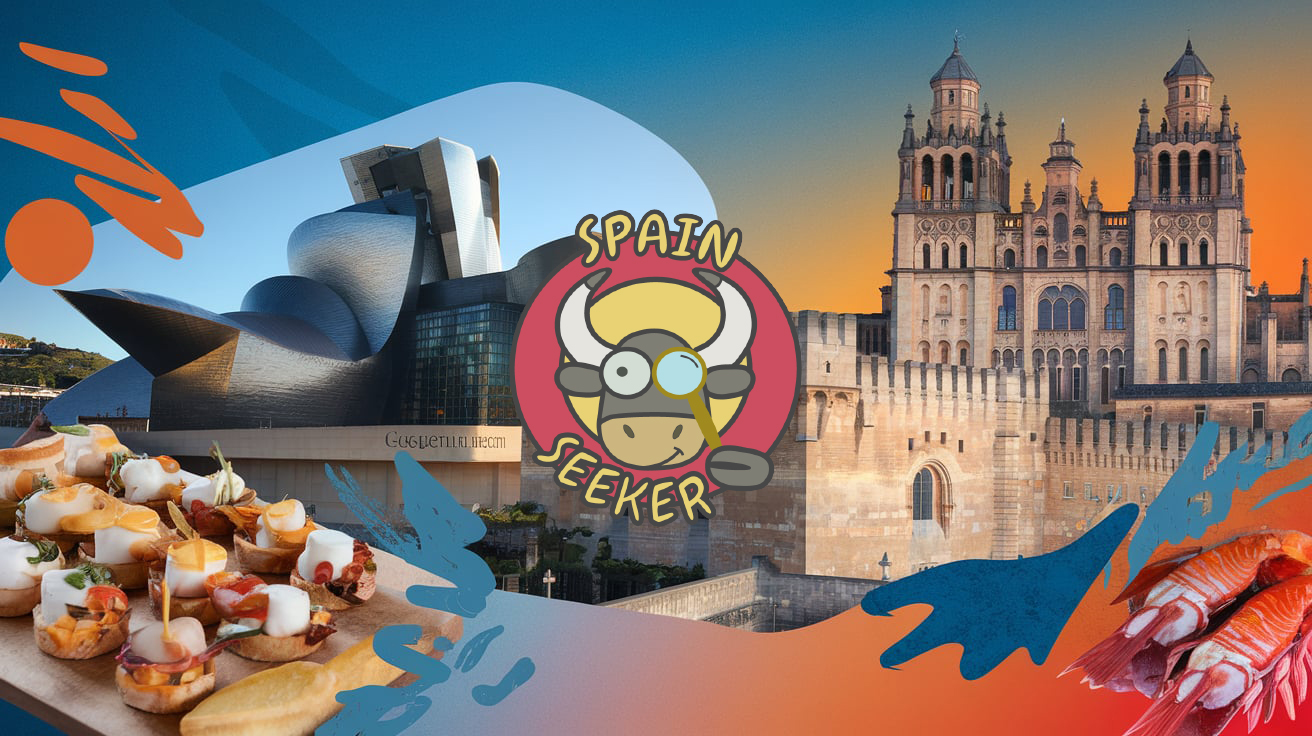
Introduction to Spain's Artistic Treasures
Spain is a country where every corner tells a story, and its artistic treasures are woven into the very fabric of its history. From the ancient ruins of the Roman Empire to the vibrant canvases of the modern era, Spain’s art and architecture reflect the myriad cultures that have shaped its identity. This rich tapestry invites travelers to embark on a journey through time, exploring the hidden gems that await in each region.
A Melting Pot of Cultures
One of the most fascinating aspects of Spanish art and architecture is its ability to encapsulate the influences of various civilizations. The Iberian Peninsula has been home to Romans, Visigoths, Moors, and Christians, each leaving their mark on the landscape. This cultural confluence has resulted in a unique blend of styles, from the intricate Mudéjar architecture of the Moorish period to the grand Gothic cathedrals that emerged during the Renaissance.
Artistic Movements that Shaped Spain
Throughout the centuries, Spain has produced some of the world’s most celebrated artists and architects. The Golden Age of Spanish art, which spanned the 16th and 17th centuries, saw the rise of masters like Diego Velázquez and Francisco Goya. Their works not only reflect the social and political climate of their times but also showcase the technical prowess that has influenced generations of artists.
Architectural Wonders
Spain's architectural landscape is equally impressive, featuring a range of styles that tell the story of its evolution. The iconic Sagrada Familia in Barcelona, designed by Antoni Gaudí, is a testament to the innovative spirit of modernism, while the Alhambra in Granada stands as a breathtaking example of Islamic architecture. Each structure is not merely a building but a narrative woven into the cultural identity of its locale.
Exploring Spain's Hidden Gems
While major cities like Madrid and Barcelona are often the first stops for art enthusiasts, Spain is dotted with hidden gems that offer equally captivating experiences. Towns like Toledo and Ronda boast rich histories and stunning architecture that often go unnoticed. These lesser-known destinations provide a more intimate glimpse into Spain's artistic heritage, allowing visitors to connect with the local culture on a deeper level.
Art Beyond the Canvas
Art in Spain extends far beyond paintings and sculptures. Traditional crafts, such as ceramics from Talavera and textiles from Catalonia, reflect the country’s artisanal heritage. Festivals celebrating local art and culture, such as La Tomatina and Fallas, showcase the vibrant spirit of the Spanish people and their connection to artistic expression.
Why Art and Architecture Matter in Spain
Understanding Spain's artistic treasures is essential for appreciating its cultural landscape. Art and architecture are not just aesthetic pursuits; they are vital to the identity of the Spanish people. They tell stories of triumph, struggle, and resilience, capturing the essence of a nation that has continuously evolved while honoring its past.
As you prepare to embark on this journey through Spain’s artistic treasures, keep an open mind and heart. Each masterpiece, whether a grand cathedral or a quaint village mural, invites you to discover the stories and emotions that lie beneath the surface. The hidden gems of Spain await, ready to reveal their secrets and enrich your travel experience.
Madrid: The Heart of Spanish Art
As the capital of Spain, Madrid is not only a political hub but also a vibrant epicenter of art and culture. The city's rich artistic heritage is reflected in its world-class museums, stunning architecture, and lively street art scene. For anyone eager to immerse themselves in Spanish art, Madrid is an unmissable destination.
The Museo del Prado: A Treasure Trove of Masterpieces
At the heart of Madrid’s artistic offerings lies the Museo del Prado, one of the most prestigious art museums in the world. Opened in 1819, the museum houses an extensive collection of European art, with a particular focus on Spanish masters. Visitors can marvel at the works of Diego Velázquez, whose iconic painting Las Meninas is a must-see, and Francisco Goya, whose haunting portraits and dark themes reveal the complexities of Spanish society.
The museum’s collection also includes masterpieces by El Greco, Peter Paul Rubens, and Hieronymus Bosch, making it a veritable feast for art lovers. With over 8,000 paintings and 700 sculptures, the Prado is not just a museum but a journey through the evolution of Western art.
Reina Sofía: Where Modern Art Comes Alive
Just a short walk from the Prado, the Reina Sofía Museum complements its neighbor with a focus on modern and contemporary art. Opened in 1992, this museum is home to masterpieces from the 20th century, including Pablo Picasso's monumental work, Guernica, which powerfully depicts the horrors of war. The Reina Sofía also showcases works by Salvador Dalí and Joan Miró, making it a vibrant space that reflects Spain's tumultuous history and the avant-garde movements that emerged from it.
In addition to its impressive permanent collection, the museum hosts temporary exhibitions that often highlight emerging artists and contemporary themes, ensuring that there’s always something new to discover.
Art Beyond the Museums: Madrid's Street Art Scene
While the museums are undoubtedly the crown jewels of Madrid's art scene, the city’s streets are also alive with creativity. Street art has flourished in Madrid, particularly in neighborhoods like Malasaña and Lavapiés. Here, vibrant murals and graffiti tell stories of the city’s culture, social issues, and history. Guided street art tours are available, providing insights into the artists and the messages behind their work.
Additionally, the annual Madrid Street Art Project has transformed walls into canvases, inviting local and international artists to contribute to the city’s dynamic visual landscape. Exploring these areas offers a unique perspective on Madrid’s contemporary culture.
Architectural Wonders: A Journey Through Time
Madrid’s artistic heritage is not confined to its museums; the city’s architecture is a canvas in its own right. The Royal Palace, with its stunning baroque facade and opulent interiors, is a testament to Spain's royal history. Nearby, the Plaza Mayor stands as a historic gathering place, surrounded by beautiful buildings that showcase Madrid's architectural evolution.
For a modern twist, visit the CaixaForum, a cultural center known for its striking vertical garden and innovative design. This blend of old and new makes Madrid an architectural paradise, where every corner has a story to tell.
Cultural Events: Celebrating Art in All Forms
Throughout the year, Madrid hosts a plethora of cultural events that celebrate its artistic heritage. The Madrid Art Week in February showcases contemporary art galleries and exhibitions, while the International Festival of Contemporary Dance brings together performers from around the globe. These events create an atmosphere of creativity and excitement, making Madrid a living, breathing work of art.
Whether you’re wandering through the hallowed halls of the Prado, soaking in the vibrant atmosphere of street art, or marveling at the architectural gems scattered throughout the city, Madrid undeniably stands as the heart of Spanish art. Its rich tapestry of artistic expression makes it a destination that captivates and inspires, solidifying its place among the best of Spain.
Barcelona: A Modernist Marvel
Barcelona, the vibrant capital of Catalonia, is a city that pulsates with creativity and innovation. It is a canvas painted with the brushstrokes of renowned architect Antoni Gaudí, whose masterpieces have become symbols of the city and icons of modernist architecture. From the intricate facades of Sagrada Familia to the whimsical designs of Park Güell, Barcelona is a treasure trove for art and architecture enthusiasts.
The Sagrada Familia: A Testament to Vision
No visit to Barcelona is complete without marveling at the Sagrada Familia, Gaudí's magnum opus. This basilica, still under construction since 1882, is a testament to the architect's visionary genius. Its towering spires and detailed facades are infused with religious symbolism, showcasing a blend of Gothic and Art Nouveau styles. As you step inside, the play of light through the stained glass windows creates a mesmerizing atmosphere, transporting visitors into a realm of spiritual serenity.
Park Güell: Nature Meets Art
Another of Gaudí's masterpieces, Park Güell, is a public park filled with colorful mosaics, organic shapes, and whimsical structures. Originally intended as a residential project, the park is now a UNESCO World Heritage site and a popular destination for both locals and tourists. Stroll through its winding paths, admire the vibrant tilework, and don’t miss the iconic lizard sculpture known as El Drac, which has become a symbol of the park itself.
Casa Batlló: A Dreamlike Facade
Located on the bustling Passeig de Gràcia, Casa Batlló is another Gaudí creation that captivates visitors with its dreamlike facade. The building, often referred to as the 'House of Bones' due to its skeletal appearance, features a colorful mosaic of broken ceramic tiles and undulating forms that mimic natural elements. Inside, the flowing spaces and innovative use of light create an enchanting experience that reflects Gaudí’s deep connection to nature.
Casa Milà (La Pedrera): A Bold Statement
Casa Milà, popularly known as La Pedrera, is a UNESCO World Heritage site that showcases Gaudí's departure from traditional architectural forms. Its wavy stone facade and wrought-iron balconies create a sense of movement, while the rooftop terrace, adorned with fantastical chimney sculptures, offers stunning views of the city. The building is also home to an exhibition space dedicated to Gaudí's work, allowing visitors to delve deeper into his innovative techniques and artistic philosophy.
Exploring the Gothic Quarter
While Gaudí's works are undoubtedly the highlight of Barcelona's architectural landscape, the city also boasts a rich tapestry of Gothic architecture. The Gothic Quarter, or Barri Gòtic, is a labyrinth of narrow medieval streets, charming squares, and historic buildings. Highlights include the Barcelona Cathedral, with its stunning Gothic spires, and the Plaça del Rei, where you can immerse yourself in the city's history. Take your time to wander through this enchanting area, where every corner reveals a new story.
Modernist Architecture Beyond Gaudí
Barcelona's modernist movement extends beyond Gaudí, with other notable architects contributing to the city's unique architectural landscape. Hospital de Sant Pau, a UNESCO World Heritage site designed by Lluís Domènech i Montaner, is a stunning example of Catalan modernism. Its intricate mosaics, colorful tiles, and lush gardens create a serene environment that is both functional and beautiful.
Barcelona’s Artistic Spirit
Beyond architecture, Barcelona is a city that celebrates art in all its forms. The Pablo Picasso Museum showcases an extensive collection of the artist's works, while the Fundació Joan Miró offers a glimpse into the surreal world of one of Spain's most beloved artists. The city's vibrant street art scene also adds to its artistic charm, with murals and installations adorning walls throughout various neighborhoods.
A City of Inspiration
Barcelona is not just a destination; it is an experience that ignites the imagination. The interplay of Gaudí's visionary architecture, the historical depth of the Gothic Quarter, and the city's artistic pulse create a unique atmosphere that inspires creativity and wonder. Whether you're an architecture aficionado, an art lover, or simply a curious traveler, Barcelona's modernist marvels will leave an indelible mark on your journey through Spain.
Seville: A Blend of Cultures
Seville, the capital of Andalusia, is a city that pulsates with life, history, and an extraordinary blend of cultures. This vibrant city is a living testament to the various civilizations that have left their mark over the centuries, particularly the Moors and Christians. As you wander through its sun-soaked streets, you’ll discover a stunning array of architectural styles that tell the story of Seville’s rich past.
The Majestic Seville Cathedral
At the heart of Seville stands the Seville Cathedral, a UNESCO World Heritage site and one of the largest cathedrals in the world. Originally constructed as a mosque in the 12th century, the cathedral’s architecture is a breathtaking fusion of Gothic and Moorish styles. The magnificent Giralda Tower, which was once the minaret of the mosque, offers panoramic views of the city and is a must-visit. Inside, the cathedral boasts a wealth of treasures, including the tomb of Christopher Columbus, intricate altarpieces, and stunning stained-glass windows that illuminate the vast interior.
The Alcázar of Seville: A Royal Retreat
Just a stone’s throw away from the cathedral is the Royal Alcázar of Seville, another UNESCO World Heritage site that exemplifies the city’s architectural splendor. This stunning palace complex showcases a remarkable blend of Mudejar, Gothic, Renaissance, and Baroque styles, reflecting the various influences that have shaped Seville over the centuries. The intricate tilework, lush gardens, and tranquil courtyards create an atmosphere of serenity that enchants visitors.
The Alcázar was originally developed as a fortress in the 10th century and later transformed into a royal palace. Each section of the complex tells a different story, with features like the Patio de las Doncellas and the Hall of Ambassadors highlighting the exquisite craftsmanship that went into its design. Don’t miss the opportunity to stroll through the gardens, which are filled with fragrant orange trees and serene fountains.
Exploring the Historic Barrio Santa Cruz
No visit to Seville would be complete without a wander through the Barrio Santa Cruz, the city’s historic Jewish quarter. This labyrinth of narrow streets and whitewashed buildings is steeped in history and charm. As you meander through the winding alleys, you’ll encounter picturesque plazas, hidden courtyards, and the vibrant atmosphere that defines this enchanting neighborhood.
While exploring, make sure to stop by the Casa de Pilatos, a stunning 16th-century mansion that beautifully combines Italian Renaissance and Spanish Mudejar styles. The courtyard, adorned with colorful tiles and lush greenery, offers a glimpse into the opulence of Seville’s past.
Seville’s Cultural Melting Pot
Seville is not just about its architectural wonders; it is also a city that celebrates its diverse cultural heritage through festivals, music, and cuisine. The annual Feria de Abril (April Fair) is a vibrant showcase of Andalusian culture, featuring traditional flamenco dancing, horse parades, and colorful casetas (tents) where locals gather to enjoy food and drink. The Semana Santa (Holy Week) is another significant event, where elaborate processions take place, reflecting the deep-rooted religious traditions of the city.
Seville’s culinary scene is equally captivating, with tapas bars lining the streets, offering a taste of Andalusian flavors. Don’t miss trying local specialties such as salmorejo, a cold tomato soup, and jamón ibérico, a cured ham that is a true delicacy of the region.
Why Seville Stands Out
Seville’s architectural diversity, rich history, and vibrant culture make it one of Spain’s most captivating cities. The seamless blend of Moorish and Gothic influences is evident in its stunning monuments, while the lively atmosphere invites travelers to immerse themselves in the local way of life. Whether you’re marveling at the grandeur of the cathedral, wandering through the Alcázar, or enjoying a flamenco performance, Seville offers a unique experience that embodies the spirit of Spain.
As you explore this enchanting city, you’ll come to understand why Seville is not just a destination, but a treasure trove of cultural heritage that captivates the hearts of all who visit.
Bilbao: Contemporary Art and Urban Renewal
Nestled in the Basque Country, Bilbao has undergone a remarkable transformation over the past few decades, evolving from an industrial hub into a vibrant cultural center. At the heart of this renaissance is the iconic Guggenheim Museum, a stunning piece of modern architecture that has not only redefined the city’s skyline but has also played a pivotal role in revitalizing its urban landscape.
The Guggenheim Museum: A Masterpiece of Modern Architecture
Opened in 1997, the Guggenheim Museum Bilbao was designed by the renowned architect Frank Gehry. Its innovative design, characterized by flowing forms and titanium cladding, has made it a landmark of contemporary architecture. The museum's structure itself is a work of art, with curvilinear shapes that mimic the surrounding river and hills, creating a harmonious relationship between nature and urban design.
The Guggenheim is not just a feast for the eyes; it also houses an impressive collection of modern and contemporary art. Visitors can explore works by artists such as Jeff Koons, Richard Serra, and Yayoi Kusama. The museum's exhibitions are ever-changing, ensuring that repeat visitors always find something new and exciting to discover.
Bilbao's Urban Renewal: More Than Just a Museum
The impact of the Guggenheim Museum extends far beyond its walls. The museum’s establishment catalyzed a broader urban renewal initiative in Bilbao, transforming the city into a cultural and tourist destination. Streets that were once lined with factories and warehouses have been revitalized into pedestrian-friendly areas, bustling with cafes, shops, and galleries.
- Ribera Market: Just a short walk from the museum, this historic market offers a taste of local Basque cuisine, featuring fresh produce and artisanal products.
- Bilbao Fine Arts Museum: A must-visit for art lovers, this museum showcases a diverse collection ranging from medieval to contemporary art, further enhancing the city's cultural offerings.
- Casco Viejo: The old town of Bilbao is a charming labyrinth of narrow streets, where visitors can explore quaint shops, traditional pintxos bars, and historic architecture.
Cultural Events and Festivals
Bilbao is not only about art and architecture; it is also a city that celebrates culture through various events and festivals. The Bilbao BBK Live music festival, held annually in July, attracts international artists and music lovers from around the globe. Additionally, the Bilbao Art District festival showcases local artists and galleries, allowing visitors to engage with the vibrant art scene.
Exploring the Basque Culinary Scene
No visit to Bilbao would be complete without indulging in its gastronomic delights. The Basque Country is renowned for its culinary excellence, and Bilbao is no exception. From traditional pintxos (small snacks) to Michelin-starred restaurants, food lovers will find an array of options to satisfy their palates. Make sure to try local specialties such as bacalao a la vizcaína (cod in a red pepper sauce) and txangurro (spider crab).
A City of Contrasts
Bilbao beautifully contrasts the old and the new, where historic buildings stand alongside cutting-edge architecture. This blend of styles reflects the city’s rich heritage while embracing modernity. The Puente Colgante (Hanging Bridge), a UNESCO World Heritage Site, is a prime example of this juxtaposition, connecting the neighborhoods of Getxo and Portugalete with stunning views of the Nervión River.
As you wander through the streets of Bilbao, you will discover a city that is constantly evolving, yet deeply rooted in its traditions. The transformation brought about by the Guggenheim Museum has not only redefined the city’s identity but has also made it a key player in the global art scene.
Bilbao stands as a testament to the power of art and architecture in urban renewal, making it one of the best destinations to experience the dynamic spirit of contemporary Spain.
Toledo: A Historical Tapestry
Step back in time in Toledo, a city that serves as a living testament to Spain's rich and intricate history. Nestled atop a hill overlooking the Tagus River, Toledo is often referred to as the 'City of Three Cultures' due to its historical coexistence of Christianity, Islam, and Judaism. As you wander through its medieval streets, you'll discover a captivating blend of architectural styles that narrate the story of this multicultural past.
Exploring the Architectural Wonders
Toledo's charm lies in its remarkable architecture, which spans centuries and showcases various influences. The city is a UNESCO World Heritage site, and for good reason. Here are some must-visit architectural highlights:
- Toledo Cathedral: A stunning example of Gothic architecture, the Catedral Primada de Toledo boasts intricate facades and breathtaking stained glass windows. Its sheer size and beauty make it one of Spain's most important cathedrals.
- Alcázar of Toledo: This imposing fortress has stood guard over the city for centuries. Originally a Roman palace, it has been transformed through various eras into a military museum, offering panoramic views of Toledo.
- El Greco's Legacy: The famed painter Doménikos Theotokópoulos, known as El Greco, spent much of his life in Toledo. His masterpieces, such as The Burial of the Count of Orgaz, can be found in the Church of Santo Tomé, reflecting the spiritual depth and cultural richness of the city.
- Synagogue of El Transito: A remarkable example of Sephardic architecture, this former synagogue is now a museum dedicated to the history of Jewish culture in Spain. Its stunning Mudejar-style interior is adorned with intricate plasterwork.
Wandering the Enchanting Streets
One of the best ways to experience Toledo is by strolling through its narrow, winding streets. As you meander through the historic center, you'll encounter charming plazas, quaint shops, and local eateries that offer a taste of authentic Toledo. Don't miss:
- Plaza de Zocodover: This bustling square has been the heart of Toledo since the Middle Ages. It's the perfect spot to enjoy a coffee or indulge in some local tapas.
- Mirador del Valle: For an unforgettable view of Toledo, head to this lookout point. The panoramic vista of the city against the backdrop of the Tagus River is simply breathtaking, especially at sunset.
Cultural Experiences and Local Cuisine
Toledo is not just about stunning architecture; it's also a hub of culture and gastronomy. Dive into the local culinary scene by trying traditional dishes like mazapán (a sweet almond pastry) and venado (venison), often served in local taverns. Pair your meal with a glass of Toledo wine, known for its rich flavors.
For those interested in history, consider visiting the Museo de Santa Cruz, which houses a diverse collection of art and artifacts that reflect Toledo's past. The museum is set in a former hospital, adding to its historical significance.
Festivals That Celebrate Toledo's Heritage
Toledo's rich cultural tapestry is further highlighted during its vibrant festivals. One of the most notable is the Corpus Christi celebration, where the streets come alive with processions, music, and traditional dances. Another important event is the Fiestas de la Virgen del Sagrario, which honors the city's patron saint and features religious ceremonies and community gatherings.
Whether you're an art lover, a history buff, or a foodie, Toledo offers an array of experiences that encapsulate the essence of Spain's multicultural identity. Its unique blend of history, architecture, and culture makes it an essential stop on your journey to uncover Spain's hidden gems.
Granada: The Jewel of Moorish Architecture
Nestled at the foot of the Sierra Nevada mountains, Granada is a city that encapsulates the essence of Spain's rich Islamic heritage. Known for its stunning architecture, vibrant culture, and breathtaking landscapes, Granada stands out as a must-visit destination for anyone seeking to explore the heart of Moorish influence in Spain. At the forefront of this architectural splendor is the Alhambra, a UNESCO World Heritage site that continues to captivate visitors from around the globe.
The Alhambra: A Timeless Masterpiece
The Alhambra, meaning "the red one" in Arabic, is a palatial fortress complex that dates back to the 13th century. Originally built as a modest fortress, it was transformed into a magnificent royal palace by the Nasrid dynasty. As you walk through its intricately decorated halls, you will be transported back in time, surrounded by stunning tile work, delicate stucco carvings, and serene courtyards.
One of the highlights of the Alhambra is the Nasrid Palaces, where you can marvel at the exquisite Patio de los Leones (Courtyard of the Lions) and the ornate Salón de los Embajadores (Hall of the Ambassadors). Each room tells a story of opulence and artistry, showcasing the advanced architectural techniques of the time. Don't miss the chance to explore the Palacio de Carlos V, a Renaissance addition that contrasts beautifully with the Islamic architecture of the Alhambra.
The Generalife: A Garden Paradise
Adjacent to the Alhambra lies the Generalife, the summer palace and gardens of the Nasrid rulers. This enchanting retreat offers a tranquil escape from the grandeur of the Alhambra. The gardens are a masterpiece of landscape design, featuring lush greenery, fragrant flowers, and stunning water features that reflect the Islamic philosophy of paradise.
As you stroll through the Patio de la Acequia, you'll be greeted by the soothing sounds of flowing water and the vibrant colors of blooming plants. The Generalife not only serves as a visual feast but also provides panoramic views of the Alhambra and the city of Granada, making it a perfect spot for photography enthusiasts.
The Cultural Tapestry of Granada
Granada is not just about its architectural wonders; it is a city steeped in culture and history. The influence of the Moors is evident in the city's narrow winding streets, vibrant markets, and lively flamenco performances. The Albaicín district, a UNESCO World Heritage site, is a maze of whitewashed houses and cobblestone streets that echo the past. Here, you can wander through the labyrinthine alleys and enjoy stunning views of the Alhambra from various vantage points.
For a taste of local life, visit the Mercado de San Agustín, where you can sample traditional Andalusian dishes and fresh produce. Don't miss the opportunity to try the famous tapas that Granada is known for—many bars offer free tapas with your drink, making it a delightful culinary adventure.
Practical Tips for Visiting Granada
- Book Tickets in Advance: Due to its popularity, it's essential to book your Alhambra tickets online in advance to secure your preferred time slot.
- Best Time to Visit: Spring and fall are ideal times to visit Granada, as the weather is mild and the gardens are in full bloom.
- Explore on Foot: Granada's historic center is best explored on foot, allowing you to fully appreciate its beauty and charm.
- Flamenco Shows: Experience the passion of flamenco in the Sacromonte district, known for its cave performances that showcase this traditional art form.
Granada is truly a jewel of Moorish architecture, offering a unique blend of history, culture, and stunning landscapes. The Alhambra and Generalife gardens represent the pinnacle of Islamic art and architecture in Spain, making this enchanting city an essential stop on your journey through the best of Spain.
Valencia: Where Tradition Meets Innovation
Valencia, the third-largest city in Spain, is a remarkable destination where the echoes of history harmoniously blend with cutting-edge innovation. Known for its stunning architecture, vibrant culture, and delectable cuisine, Valencia offers visitors a unique experience that encapsulates the essence of Spain's artistic and architectural diversity.
A Journey Through Time: Historic Valencia
To truly appreciate Valencia, one must first explore its rich historical heritage. The city’s origins date back to Roman times, and remnants of its past can be found throughout its streets. A must-visit is the Valencia Cathedral, a stunning example of Gothic architecture that also incorporates Romanesque and Baroque elements. Legend has it that this cathedral houses the Holy Grail, making it a significant pilgrimage site for many.
Strolling through the Old Town, visitors will encounter the Lonja de la Seda, a UNESCO World Heritage site. This late Gothic building was once the center of Valencia's silk trade and showcases intricate stone carvings and stunning vaulted ceilings. Nearby, the Central Market offers a sensory overload of local produce, spices, and delicacies, embodying the city’s culinary traditions.
The Futuristic Face of Valencia
In stark contrast to its historical sites, Valencia is also home to some of the most innovative architecture in the world, epitomized by the City of Arts and Sciences (Ciudad de las Artes y las Ciencias). Designed by Santiago Calatrava and Félix Candela, this architectural complex is a testament to modern design, featuring futuristic structures that house a science museum, planetarium, aquarium, and an opera house.
- Hemisférico: This eye-shaped building is home to an IMAX cinema and planetarium, providing a unique viewing experience.
- Oceanogràfic: The largest aquarium in Europe, Oceanogràfic is a stunning underwater world showcasing marine ecosystems from around the globe.
- Palau de les Arts Reina Sofía: This opera house is a masterpiece of modern architecture and hosts world-class performances.
Walking through the City of Arts and Sciences feels like stepping into a different world, where the boundaries of architecture and art are pushed to their limits. The juxtaposition of these modern structures against the backdrop of Valencia’s historic buildings creates a striking visual narrative that captivates every visitor.
Valencia’s Cultural Mosaic
Valencia is not only about architecture; it is also a city rich in cultural traditions. The annual Las Fallas festival is a prime example of the city’s vibrant spirit. Celebrated every March, this festival features elaborate sculptures made of papier-mâché that are paraded through the streets and ultimately set ablaze in a spectacular display of fireworks and flames. This fiery tradition is a celebration of artistry and community, drawing visitors from all over the world.
Additionally, Valencia is known for its gastronomy, particularly the iconic dish of paella, which originated here. Food enthusiasts can indulge in a variety of local dishes at bustling tapas bars and restaurants, where the flavors of the Mediterranean come alive.
Natural Beauty and Outdoor Activities
Beyond its architectural marvels and cultural offerings, Valencia boasts beautiful natural spaces. The Turia Gardens, a former riverbed turned into a lush park, stretches through the city, providing a picturesque setting for leisurely walks, cycling, and picnics. The park is dotted with playgrounds, gardens, and even a small lake, making it a perfect escape from the urban hustle.
For those seeking sun and sand, Valencia’s beaches, such as La Malvarrosa and Las Arenas, offer a delightful retreat. With golden sands and clear waters, these beaches are ideal for sunbathing, swimming, or enjoying a refreshing drink at a beachside chiringuito.
Why Valencia is a Hidden Gem
Valencia beautifully encapsulates the best of Spain by marrying its rich historical past with a forward-thinking approach to art and architecture. Whether you are wandering through its ancient streets, marveling at its modern structures, or indulging in its culinary delights, Valencia promises an unforgettable experience. This city is a testament to the idea that tradition and innovation can coexist, making it one of Spain’s most captivating hidden gems.
Charming Villages and Towns: Spain's Hidden Gems
When it comes to exploring Spain, the larger cities often steal the spotlight with their grand museums and iconic architecture. However, the true essence of Spanish culture can often be found in its charming villages and towns. These hidden gems, each with their own unique stories and artistic treasures, offer a glimpse into the rich tapestry of Spain’s history and traditions.
Hondarribia: A Coastal Delight
Located in the Basque Country, just a stone's throw from the French border, Hondarribia is a picturesque fishing village that boasts a stunning blend of medieval and modern influences. The town is characterized by its colorful buildings and narrow cobbled streets, which invite visitors to wander and explore.
The highlight of Hondarribia is its well-preserved old town, where the Castle of Charles V stands majestically at the top of the hill, offering panoramic views of the surrounding landscape. The castle is a testament to the town's historical significance and is a must-visit for history enthusiasts.
Don't miss the chance to stroll along the vibrant marina, where you can enjoy fresh seafood at one of the many local restaurants. The town is also known for its annual Hondarribia Jazz Festival, attracting music lovers from all over the world.
Santiago de Compostela: The Pilgrim's Paradise
Famed as the final destination of the Camino de Santiago pilgrimage, Santiago de Compostela is a city steeped in history and spirituality. Its stunning cathedral is not only an architectural marvel but also a UNESCO World Heritage site, drawing millions of visitors each year.
The cathedral's intricate facade and breathtaking interior, adorned with ornate chapels and the famous Botafumeiro (a giant incense burner), create an atmosphere of reverence and awe. The city is a vibrant hub of culture, where you can immerse yourself in the local traditions, from the lively street performances to the delicious Galician cuisine.
As you wander through the historic streets, you’ll encounter quaint shops selling artisanal crafts and local delicacies, making Santiago de Compostela a treasure trove for those seeking authentic experiences.
Ronda: A Town of Dramatic Views
Nestled in the mountains of Andalusia, Ronda is famous for its breathtaking cliffside views and the iconic Puente Nuevo bridge, which spans a deep gorge that divides the town. This architectural marvel is a perfect spot for photography enthusiasts looking to capture the stunning landscapes.
Ronda is also rich in history, with remnants of its Roman and Moorish past evident throughout the town. Visit the Plaza de Toros, one of the oldest bullrings in Spain, and the nearby Palacio de Mondragón, which showcases the town's Moorish heritage through its beautiful gardens and architecture.
More Hidden Gems
- Albarracín: A medieval town in Aragon, known for its pink-hued buildings and ancient walls.
- Frigiliana: A whitewashed village in Andalusia, famous for its narrow streets and stunning views of the Mediterranean.
- Cadaqués: A charming coastal village in Catalonia, celebrated for its artistic heritage and connection to Salvador Dalí.
- Gjirokastër: A UNESCO World Heritage site in the heart of Albania, showcasing Ottoman architecture and a rich history.
Why These Villages Matter
Exploring Spain's hidden villages and towns offers a unique opportunity to experience the country's diverse culture and history beyond the bustling cities. Each destination tells its own story through its architecture, local traditions, and the warmth of its people. Whether you're savoring local delicacies, admiring ancient structures, or simply soaking in the serene landscapes, these hidden gems are essential to understanding the heart of Spain.
As you plan your journey through Spain, be sure to include these charming villages on your itinerary. They are not just stops along the way; they are destinations in their own right, waiting to be discovered and cherished.
Why This Ranks Among the Best of Spain
Spain is a country that thrives on its rich tapestry of artistic and architectural heritage. From the grandeur of its cathedrals to the intricate details of its modernist buildings, the nation is a living museum that captivates visitors at every turn. This diverse cultural landscape not only showcases Spain's historical significance but also highlights its ongoing evolution as a hub for creativity and innovation.
A Symphony of Styles
One of the most compelling aspects of Spain's artistic heritage is its variety of architectural styles. Each region boasts its own unique influences, resulting from centuries of cultural exchange and historical events. For instance, the Moorish architecture in Andalusia, epitomized by the Alhambra, contrasts beautifully with the Gothic cathedrals found in cities like Barcelona and Toledo. This blend of styles creates a fascinating narrative that tells the story of Spain's past, making it an ideal destination for history buffs and architecture aficionados alike.
Artistic Innovation and Tradition
Spain has long been a cradle of artistic innovation, giving birth to renowned figures such as Pablo Picasso, Salvador Dalí, and Francisco Goya. Their works, housed in prestigious museums like the Museo del Prado and the Reina Sofía, showcase the depth and breadth of Spanish art. These institutions are not merely repositories of the past; they are vibrant centers of cultural exchange that continue to inspire new generations of artists.
Festivals Celebrating Culture
Spain's cultural calendar is dotted with festivals that celebrate its artistic heritage. Events like La Tomatina and the Running of the Bulls are famous worldwide, but there are also many lesser-known celebrations that highlight local traditions and art forms. For example, the Fallas Festival in Valencia features spectacular fireworks and intricate sculptures that are burned in a dramatic finale, showcasing the creativity and craftsmanship of local artisans.
A Gateway to the Past
Visiting Spain is akin to stepping into a time capsule. The medieval streets of Toledo, the Roman ruins in Mérida, and the Gothic architecture of Barcelona offer an immersive experience that allows travelers to walk in the footsteps of history. Each city and town is a chapter in Spain's story, filled with tales of conquest, coexistence, and cultural exchange. This historical depth adds a layer of intrigue that enriches the travel experience.
Community and Craftsmanship
Beyond the grand museums and iconic landmarks, Spain's artistic heritage is also defined by its local artisans and craftspeople. From the intricate tile work of Andalusia to the hand-painted pottery of Talavera, these traditions are often passed down through generations. Engaging with local crafts not only supports the community but also provides visitors with a deeper understanding of Spain's cultural identity.
A Destination for All
Whether you are an avid art lover, a history enthusiast, or simply a curious traveler, Spain offers something for everyone. The country’s diverse artistic landscape invites exploration and discovery, making it a top destination for culture enthusiasts. Each visit reveals new layers of creativity and history, ensuring that no two experiences are ever the same.
Final Thoughts on Spain's Artistic Heritage
Spain's artistic and architectural heritage is not just a collection of beautiful sites; it is a vibrant expression of the country’s identity and spirit. The fusion of history, innovation, and community creates a cultural mosaic that resonates with travelers from around the globe. For anyone seeking to immerse themselves in a world of art and culture, Spain undoubtedly ranks among the best destinations to explore and appreciate the richness of human creativity.